Kitchen practice

Recipes with herbs & spices

Everyday preparations built on the herbs in this library — kadhas, milks, ladoos, porridges, oils and rinses. Pick a concern and follow the steps. Amounts are ordinary household amounts, not clinical doses.

Immunity & Recovery recipes with herbs and spices

Immunity & Recovery

Immunity (ojas) is built through rasayana herbs, sound sleep and easily digested food, and protected by avoiding over-exertion during recovery.

See herbs for this concern

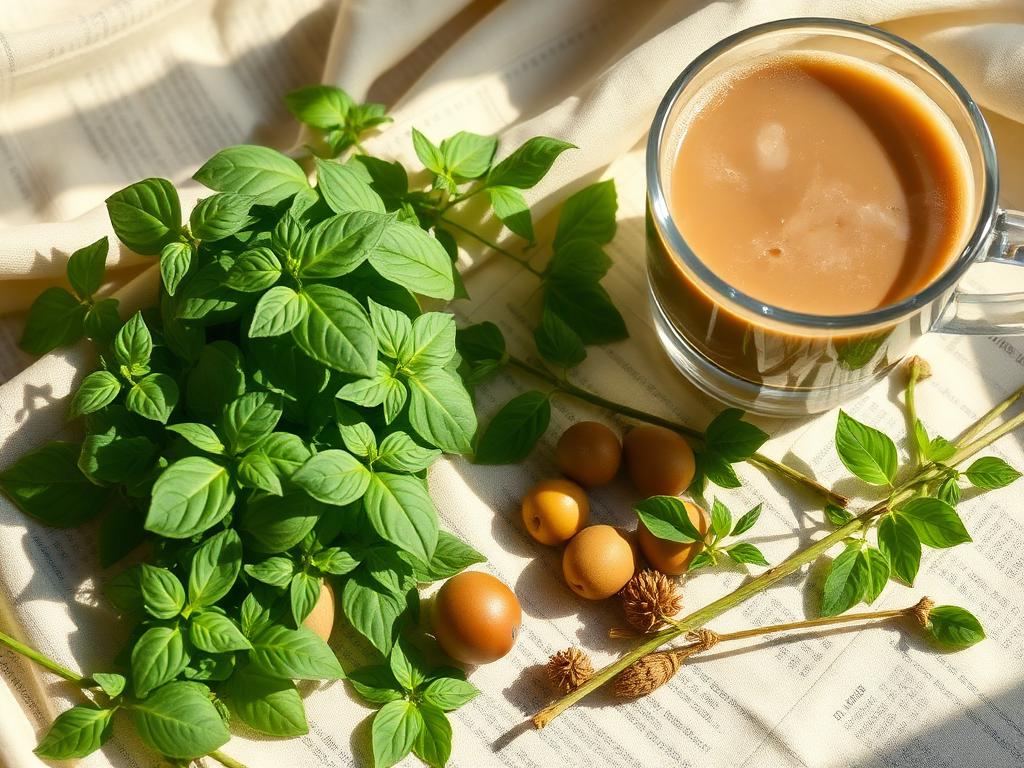
Daily immunity kadha

The household tulsi kadha for seasonal change, sore throat and early congestion.

20 min 2 small cups

Ingredients

  • 10 tulsi leaves
  • 1 inch ginger, crushed
  • 1 small piece licorice root
  • 4 black peppercorns
  • 2 cloves, 1 small cinnamon stick
  • 2 cups water, jaggery to taste

Method

  1. 1Add all spices and herbs to cold water in a pan.
  2. 2Simmer on low heat until reduced to one cup, about 15 minutes.
  3. 3Take off the heat, add jaggery and stir until dissolved.
  4. 4Strain and drink hot, half a cup at a time.

When to take: Morning, or at the first sign of a cold

Licorice raises blood pressure in some people — leave it out if yours runs high.

Precautions & dosage

How much, how often

  • Makes 2 small cups. One serving at a time, once a day unless stated otherwise.
  • Tulsi 1-2 cups of infusion a day.
  • Fresh ginger up to 4 g a day (about a 2 cm piece).
  • Licorice 1-3 g a day, for no more than 4 weeks at a stretch.
  • Take as a course of 4-6 weeks, then pause for a week and reassess.

Allergen notes

  • Added sugar (jaggery, syrup) — count it in if you are managing blood sugar.

When to avoid

  • Blood thinners (warfarin, aspirin, clopidogrel) — may increase bleeding risk.
  • Trying to conceive — high doses may affect fertility.
  • Gallstones or bile duct obstruction.
  • High blood pressure, heart or kidney disease — can raise pressure and lower potassium.
  • Pregnancy and breastfeeding — skip unless your doctor clears it.
  • Anyone on prescription medication, pregnant, breastfeeding, or under 12 — confirm with a clinician before daily use.

Read more about this recipe

Herbs in this recipe

Concerns it supports

Quick amla honey preserve

A simple vitamin-C rich amla preserve, a home-scale cousin of chyawanprash.

30 min 1 small jar

Ingredients

  • 6 fresh amla (Indian gooseberry)
  • 3 tbsp honey (added cold)
  • 1/2 tsp ginger powder
  • 1/4 tsp cardamom powder
  • 1 pinch black pepper

Method

  1. 1Steam the amla 10 minutes until segments separate; discard the seeds.
  2. 2Mash the flesh coarsely and let it cool completely.
  3. 3Fold in ginger, cardamom, pepper and honey.
  4. 4Store refrigerated up to two weeks; take 1 tsp each morning.

When to take: One teaspoon each morning

Never add honey to hot food in Ayurvedic practice — cool the mash first.

Precautions & dosage

How much, how often

  • Makes 1 small jar. One serving at a time, once a day unless stated otherwise.
  • Amla 3-6 g of powder, or one fresh fruit a day.
  • Take as a course of 4-6 weeks, then pause for a week and reassess.

Allergen notes

  • Honey — never give to infants under 1 year, and never add it to boiling liquid.

When to avoid

  • Blood thinners (warfarin, aspirin, clopidogrel) — may increase bleeding risk.
  • Active acid reflux — take with food, not empty stomach.
  • Anyone on prescription medication, pregnant, breastfeeding, or under 12 — confirm with a clinician before daily use.

Read more about this recipe

Herbs in this recipe

Concerns it supports

Turmeric ghee paste

A spoonable turmeric base you can stir into milk, dal or warm water all week.

10 min 10 doses

Ingredients

  • 2 tbsp turmeric powder
  • 3 tbsp ghee
  • 1/2 tsp black pepper, freshly ground
  • 1 tsp dry ginger powder

Method

  1. 1Melt the ghee on the lowest heat.
  2. 2Stir in turmeric and cook 2–3 minutes until it smells nutty, not burnt.
  3. 3Add pepper and ginger, stir, and take off the heat.
  4. 4Cool into a jar; use 1/2 tsp per serving in milk or food.

When to take: Any meal

Fat plus pepper is the point — plain turmeric in water is poorly absorbed.

Precautions & dosage

How much, how often

  • Makes 10 doses. One serving at a time, once a day unless stated otherwise.
  • Turmeric 1-3 g a day with a fat and black pepper.
  • Fresh ginger up to 4 g a day (about a 2 cm piece).
  • Take as a course of 4-6 weeks, then pause for a week and reassess.

Allergen notes

  • Dairy (milk, ghee, cream) — swap for oat or almond milk if lactose intolerant.

When to avoid

  • Blood thinners (warfarin, aspirin, clopidogrel) — may increase bleeding risk.
  • Gallstones or bile duct obstruction.
  • Stop at least 2 weeks before any planned surgery.
  • Anyone on prescription medication, pregnant, breastfeeding, or under 12 — confirm with a clinician before daily use.

Read more about this recipe

Herbs in this recipe

Concerns it supports

Neem tulsi steam

A congestion steam rather than a drink — neem and tulsi in hot water vapour.

12 min 1 session

Ingredients

  • 6 neem leaves
  • 10 tulsi leaves
  • 1 litre water
  • 1/4 tsp ajwain (carom seeds)

Method

  1. 1Boil the water with neem, tulsi and ajwain for 3 minutes.
  2. 2Pour into a wide bowl and place it on a stable surface.
  3. 3Cover your head with a towel and breathe the steam for 5–7 minutes.
  4. 4Stay warm and avoid cold air for the next half hour.

When to take: Evening, during congestion

Keep your face a safe distance away; this is for inhaling, not for drinking neem daily.

Precautions & dosage

How much, how often

  • Makes 1 session. One serving at a time, once a day unless stated otherwise.
  • Neem in small culinary or short medicinal courses only.
  • Tulsi 1-2 cups of infusion a day.
  • Take as a course of 4-6 weeks, then pause for a week and reassess.

Allergen notes

  • No common allergens in this recipe as written.

When to avoid

  • Pregnancy and breastfeeding — skip unless your doctor clears it.
  • Liver disease or liver medication.
  • Not for young children in medicinal doses.
  • Blood thinners (warfarin, aspirin, clopidogrel) — may increase bleeding risk.
  • Trying to conceive — high doses may affect fertility.
  • Anyone on prescription medication, pregnant, breastfeeding, or under 12 — confirm with a clinician before daily use.

Read more about this recipe

Herbs in this recipe

Concerns it supports

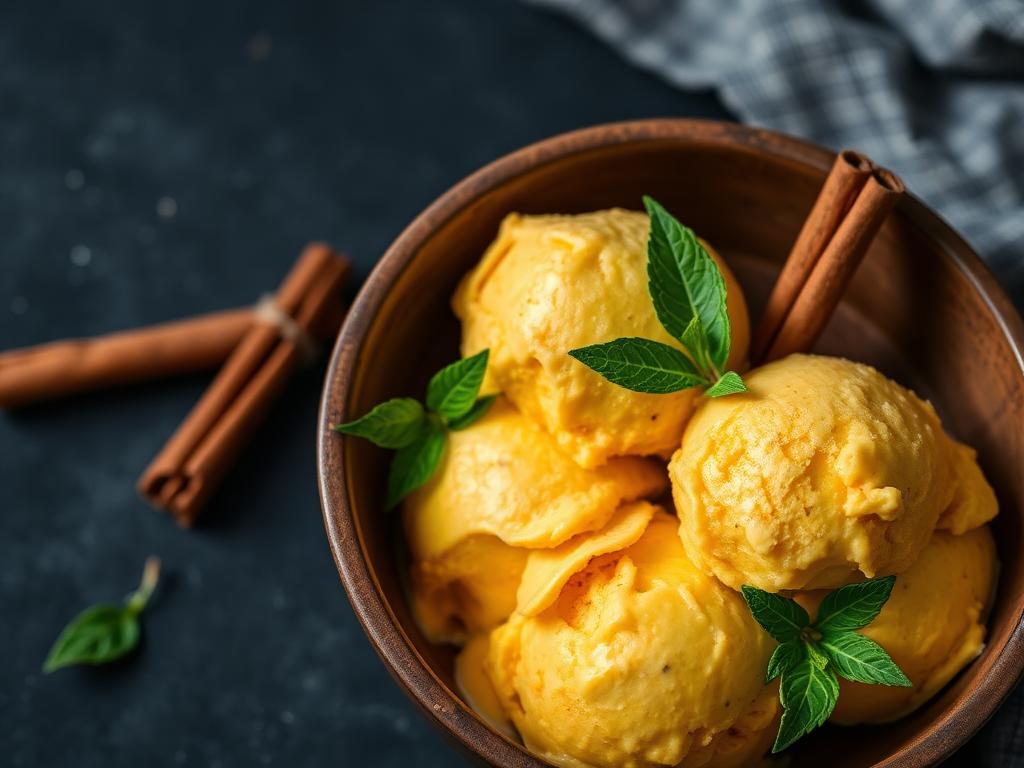
Golden milk & tulsi no-churn ice cream — Ayurvedic herbal recipe with tulsi, turmeric

Golden milk & tulsi no-churn ice cream

A coconut-based frozen dessert infused with tulsi and turmeric — herbal-sweet, immunity leaning, Kapha friendly in moderation.

25 min 4 small scoops

Ingredients

  • 1 can (400 ml) full-fat coconut milk
  • 1/4 cup raw honey (added after heating)
  • 1 tsp turmeric powder
  • 1/2 tsp cinnamon
  • 4-5 fresh tulsi leaves (or 1 tsp dried tulsi powder)
  • 1 tsp vanilla extract

Method

  1. 1Gently warm the coconut milk with turmeric, cinnamon and tulsi for 5 minutes to infuse. Do not boil.
  2. 2Take off the heat, strain out the tulsi leaves and cool to room temperature.
  3. 3Stir in the raw honey and vanilla extract.
  4. 4Pour into a shallow freezer-safe container.
  5. 5Freeze 4 hours, stirring vigorously with a fork every 45 minutes to keep it creamy.

When to take: Occasional treat, best eaten midday rather than at night

Never heat raw honey — Ayurveda treats heated honey as ama-forming, so it always goes in once the mix is cool.

Precautions & dosage

How much, how often

  • Makes 4 small scoops. One serving at a time, once a day unless stated otherwise.
  • Tulsi 1-2 cups of infusion a day.
  • Turmeric 1-3 g a day with a fat and black pepper.
  • Take as a course of 4-6 weeks, then pause for a week and reassess.

Allergen notes

  • Dairy (milk, ghee, cream) — swap for oat or almond milk if lactose intolerant.
  • Coconut.
  • Honey — never give to infants under 1 year, and never add it to boiling liquid.

When to avoid

  • Blood thinners (warfarin, aspirin, clopidogrel) — may increase bleeding risk.
  • Trying to conceive — high doses may affect fertility.
  • Gallstones or bile duct obstruction.
  • Stop at least 2 weeks before any planned surgery.
  • Anyone on prescription medication, pregnant, breastfeeding, or under 12 — confirm with a clinician before daily use.

Read more about this recipe

Herbs in this recipe

Concerns it supports

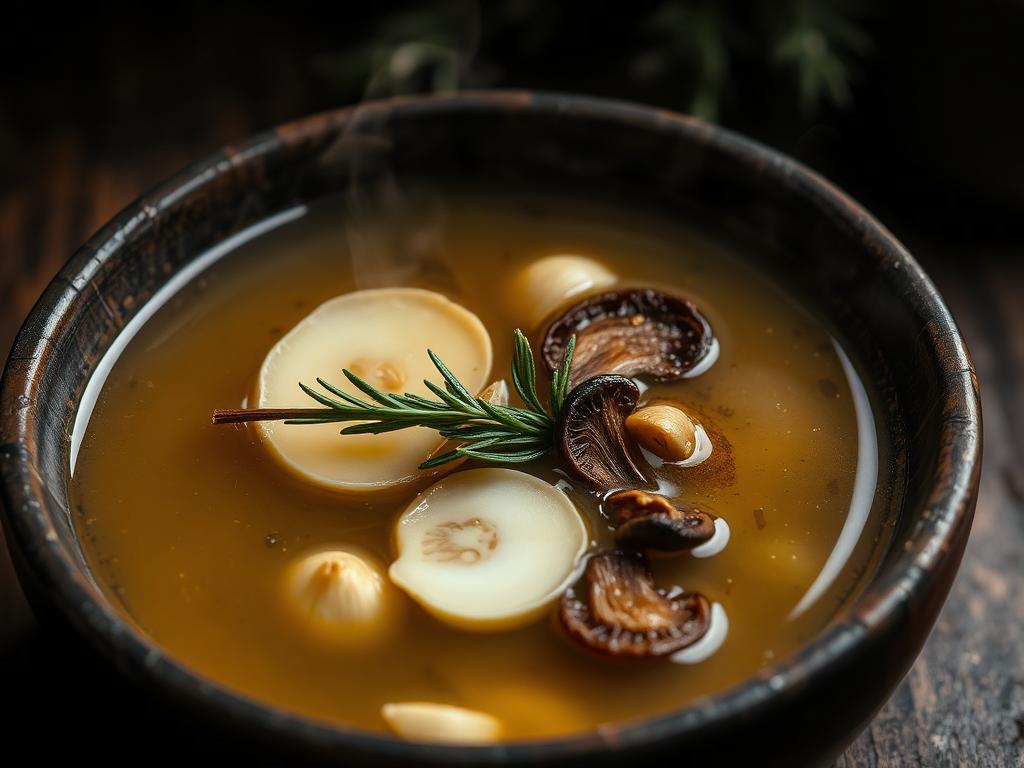
Reishi and rosemary immunity broth — Ayurvedic herbal recipe with reishi, rosemary

Reishi and rosemary immunity broth

A savoury sipping broth for damp, low-energy weeks and the tail end of a cold.

20 min 2 bowls

Ingredients

  • 2 cups vegetable stock
  • 1 tsp reishi mushroom powder (or 3 dried slices)
  • 1/2 tsp dried rosemary
  • 2 garlic cloves, lightly crushed
  • 1 slice fresh ginger
  • Rock salt and lemon to finish

Method

  1. 1Bring the stock to a simmer with garlic and ginger.
  2. 2Add reishi and rosemary, cover and simmer on low for 15 minutes.
  3. 3Strain if you prefer a clear broth, or leave the aromatics in.
  4. 4Season with rock salt, finish with lemon and sip hot from a mug.

When to take: Afternoon or early evening

Sip it as a broth rather than eating it as soup — slow warm sips are what settle a heavy chest.

Precautions & dosage

How much, how often

  • Makes 2 bowls. One serving at a time, once a day unless stated otherwise.
  • Reishi 1-1.5 g of powder a day (up to 3 g of extract).
  • Rosemary in culinary amounts, or 1 tsp of leaf per cup of infusion.
  • Take as a course of 4-6 weeks, then pause for a week and reassess.

Allergen notes

  • No common allergens in this recipe as written.

When to avoid

  • Blood thinners (warfarin, aspirin, clopidogrel) — may increase bleeding risk.
  • Stop at least 2 weeks before any planned surgery.
  • Autoimmune conditions or immunosuppressant therapy — check with your clinician first.
  • Pregnancy and breastfeeding — skip unless your doctor clears it.
  • Epilepsy or seizure disorders — avoid concentrated amounts.
  • Anyone on prescription medication, pregnant, breastfeeding, or under 12 — confirm with a clinician before daily use.

Read more about this recipe

Herbs in this recipe

Concerns it supports

Giloy tulsi immunity kadha

A short, bitter decoction for the first day of a scratchy throat or a seasonal-change slump.

15 min 1 cup

Ingredients

  • 1.5 cups water
  • 1 tsp dried giloy (guduchi) stem pieces
  • 8 fresh tulsi leaves
  • 1 slice fresh ginger
  • 3 crushed black peppercorns
  • 1/2 tsp honey (add once warm, not hot)

Method

  1. 1Simmer the water with giloy, ginger and peppercorns until reduced to about 1 cup.
  2. 2Add tulsi leaves in the last 2 minutes and cover.
  3. 3Strain, let it cool to warm, then stir in the honey.
  4. 4Drink once a day for up to 5 days, not as a daily long-term tonic.

When to take: Morning, on an empty stomach

Kadha is a short course, not a habit — stop once you feel steady again.

Precautions & dosage

How much, how often

  • Makes 1 cup. One serving at a time, once a day unless stated otherwise.
  • Tulsi 1-2 cups of infusion a day.
  • Fresh ginger up to 4 g a day (about a 2 cm piece).
  • Take as a course of 4-6 weeks, then pause for a week and reassess.

Allergen notes

  • Honey — never give to infants under 1 year, and never add it to boiling liquid.

When to avoid

  • Blood thinners (warfarin, aspirin, clopidogrel) — may increase bleeding risk.
  • Trying to conceive — high doses may affect fertility.
  • Gallstones or bile duct obstruction.
  • Anyone on prescription medication, pregnant, breastfeeding, or under 12 — confirm with a clinician before daily use.

Read more about this recipe

Herbs in this recipe

Concerns it supports

Amla honey immunity chew

Soft vitamin-C rich amla bites to keep in a jar for the winter months.

12 min 10 pieces

Ingredients

  • 1 cup fresh amla (Indian gooseberry), deseeded and chopped
  • 2 tbsp honey
  • 1/4 tsp cardamom powder
  • 1 pinch rock salt
  • 1/4 tsp dry ginger powder

Method

  1. 1Steam the chopped amla for 5 minutes until just soft, then cool completely.
  2. 2Toss with rock salt, cardamom and dry ginger powder.
  3. 3Fold in honey only after the amla is fully cool.
  4. 4Store in a clean glass jar in the fridge; chew 2 pieces a day.

When to take: Mid-morning

Never add honey to hot amla — heat destroys the qualities you added it for.

Precautions & dosage

How much, how often

  • Makes 10 pieces. One serving at a time, once a day unless stated otherwise.
  • Amla 3-6 g of powder, or one fresh fruit a day.
  • Take as a course of 4-6 weeks, then pause for a week and reassess.

Allergen notes

  • Honey — never give to infants under 1 year, and never add it to boiling liquid.

When to avoid

  • Blood thinners (warfarin, aspirin, clopidogrel) — may increase bleeding risk.
  • Active acid reflux — take with food, not empty stomach.
  • Anyone on prescription medication, pregnant, breastfeeding, or under 12 — confirm with a clinician before daily use.

Read more about this recipe

Herbs in this recipe

Concerns it supports

Thyme honey chest tea

A warming thyme and tulsi infusion for a tight, rattly chest and a lingering cough.

12 min 1 cup

Ingredients

  • 1.5 tsp dried thyme leaf (or 1 tbsp fresh sprigs)
  • 5 fresh tulsi leaves
  • 1 cup water
  • 2 thin slices fresh ginger
  • 1 tsp raw honey (add off the heat)
  • 1 squeeze lemon

Method

  1. 1Bring the water to a boil with the ginger, then take it off the heat.
  2. 2Add the thyme and tulsi, cover the cup and steep 10 minutes — covering keeps the volatile oils in.
  3. 3Strain, cool for 2 minutes, then stir in the honey and lemon.
  4. 4Sip slowly while it is still steaming so the vapour reaches the airways.

When to take: Twice a day, morning and early evening

Never boil thyme uncovered; the thymol that loosens mucus escapes with the steam.

Precautions & dosage

How much, how often

  • Makes 1 cup. One serving at a time, once a day unless stated otherwise.
  • Thyme leaf 1-2 tsp per cup of tea, up to 3 cups a day.
  • Tulsi 1-2 cups of infusion a day.
  • Take as a course of 4-6 weeks, then pause for a week and reassess.

Allergen notes

  • Honey — never give to infants under 1 year, and never add it to boiling liquid.

When to avoid

  • Pregnancy and breastfeeding — skip unless your doctor clears it.
  • Thyroid medication or thyroid disorders — may alter hormone levels.
  • Blood thinners (warfarin, aspirin, clopidogrel) — may increase bleeding risk.
  • Trying to conceive — high doses may affect fertility.
  • Anyone on prescription medication, pregnant, breastfeeding, or under 12 — confirm with a clinician before daily use.

Read more about this recipe

Herbs in this recipe

Concerns it supports

Thyme garlic oxymel

A honey-and-vinegar thyme syrup kept in the fridge for the first day of a sore throat.

15 min 1 small jar (about 15 doses)

Ingredients

  • 3 tbsp dried thyme leaf
  • 2 cloves garlic, sliced thin
  • 1 tsp grated fresh ginger
  • 1/2 cup raw apple cider vinegar
  • 1/2 cup raw honey

Method

  1. 1Pack the thyme, garlic and ginger into a clean 250 ml glass jar.
  2. 2Pour in the vinegar first, stir, then top with honey and stir again until no pockets of air remain.
  3. 3Seal, label with the date and keep in a cool dark cupboard for 2 weeks, shaking daily.
  4. 4Strain into a clean bottle; take 1 tsp up to three times a day at the first scratch of a sore throat.

When to take: 1 tsp at the first sign of a throat infection

Keeps 6 months refrigerated. Do not give honey preparations to children under one year.

Precautions & dosage

How much, how often

  • Makes 1 small jar (about 15 doses). One serving at a time, once a day unless stated otherwise.
  • Thyme leaf 1-2 tsp per cup of tea, up to 3 cups a day.
  • Fresh ginger up to 4 g a day (about a 2 cm piece).
  • Take as a course of 4-6 weeks, then pause for a week and reassess.

Allergen notes

  • Honey — never give to infants under 1 year, and never add it to boiling liquid.

When to avoid

  • Pregnancy and breastfeeding — skip unless your doctor clears it.
  • Thyroid medication or thyroid disorders — may alter hormone levels.
  • Blood thinners (warfarin, aspirin, clopidogrel) — may increase bleeding risk.
  • Gallstones or bile duct obstruction.
  • Anyone on prescription medication, pregnant, breastfeeding, or under 12 — confirm with a clinician before daily use.

Read more about this recipe

Herbs in this recipe

Concerns it supports

Common questions

How are the recipes organised?

They are grouped under 6 health concerns — Sleep & Stress, Digestion & Gut, Immunity & Recovery, Joints & Inflammation, Skin & Hair, Energy & Focus — and can also be found by searching an ingredient or herb name.

Are these Ayurvedic recipes safe for everyday cooking?

Most are food-grade preparations built from culinary herbs and spices in kitchen amounts, so they suit regular use. Each recipe still carries its own dosage, allergen and avoid-if notes, which should be read before the first attempt.

Can I substitute fresh herbs for powders?

Yes, with a rough rule of three parts fresh to one part dried by volume. Fresh material is simmered longer, while powders are stirred in at the end so their aroma is not boiled off.

What is the best time of day for these preparations?

Warming kadhas and digestive teas suit mornings and mealtimes; milk-based moon drinks and calming infusions belong to the evening, about an hour before bed.

Which recipes should be avoided in pregnancy?

Preparations using ashwagandha, shatavari in high dose, strong bitters, aloe latex, heavy heating spice blends and any essential oils should be cleared with a clinician first. The precaution panel on each recipe flags these explicitly.

Do these recipes replace medical treatment?

No. They are traditional food and drink preparations for everyday wellbeing, not treatment for a diagnosed condition, and they do not replace prescribed medication or professional advice.

These are traditional food and home-care preparations, not treatments. Start with the smallest amount, use one new recipe at a time, and check with a doctor or qualified practitioner before use in pregnancy, while breastfeeding, for children, or alongside prescription medication. Externally applied recipes are marked as such and must never be swallowed.