Kitchen practice

Recipes with herbs & spices

Everyday preparations built on the herbs in this library — kadhas, milks, ladoos, porridges, oils and rinses. Pick a concern and follow the steps. Amounts are ordinary household amounts, not clinical doses.

Skin & Hair recipes with herbs and spices

Skin & Hair

Skin and hair are treated as outputs of blood quality and digestion. Cooling, blood-cleansing herbs are used internally alongside topical oils.

See herbs for this concern

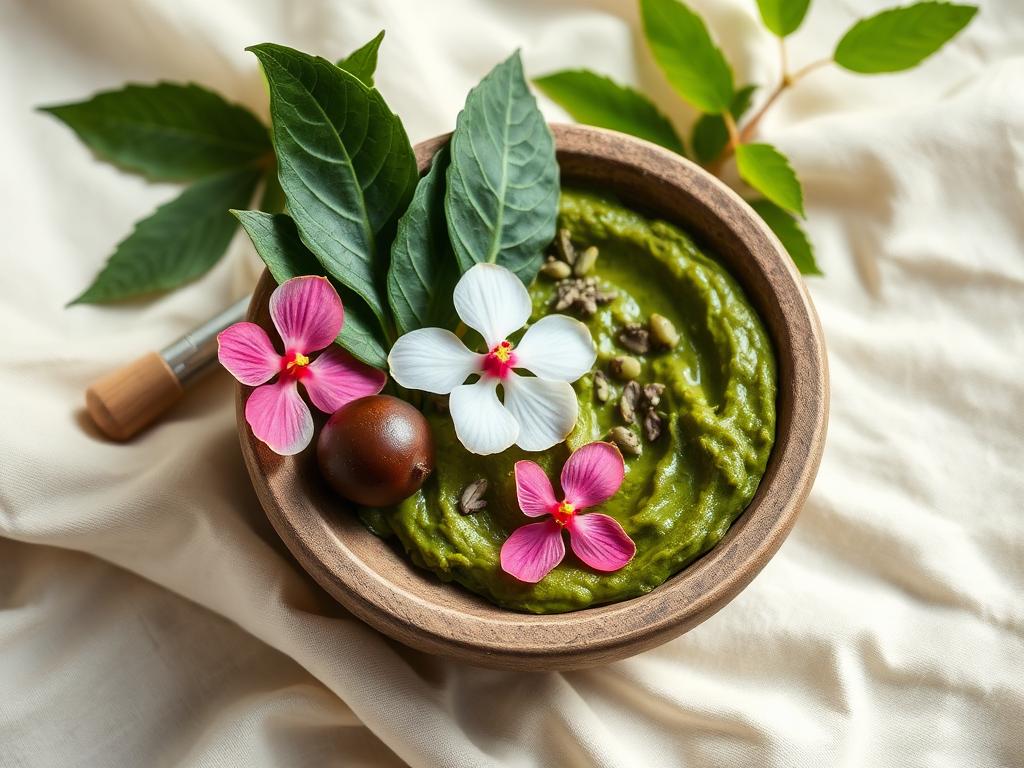
Neem turmeric face paste

A weekly lepa for breakout-prone skin, applied rather than eaten.

10 min 1 application

Ingredients

  • 1 tbsp neem leaf powder
  • 1/4 tsp turmeric
  • 1 tbsp rose water
  • 1 tsp plain yoghurt

Method

  1. 1Mix the powders, then add rose water and yoghurt to a smooth paste.
  2. 2Apply a thin layer to clean skin, avoiding the eyes.
  3. 3Leave 12–15 minutes, no longer, then rinse with cool water.
  4. 4Use once or twice a week at most.

When to take: Evening, once or twice a week

Turmeric can leave a light yellow tint — a thin layer and short contact time avoids it.

Precautions & dosage

How much, how often

  • Makes 1 application. One serving at a time, once a day unless stated otherwise.
  • Neem in small culinary or short medicinal courses only.
  • Turmeric 1-3 g a day with a fat and black pepper.
  • Take as a course of 4-6 weeks, then pause for a week and reassess.

Allergen notes

  • Dairy (milk, ghee, cream) — swap for oat or almond milk if lactose intolerant.

When to avoid

  • Pregnancy and breastfeeding — skip unless your doctor clears it.
  • Liver disease or liver medication.
  • Not for young children in medicinal doses.
  • Blood thinners (warfarin, aspirin, clopidogrel) — may increase bleeding risk.
  • Gallstones or bile duct obstruction.
  • Stop at least 2 weeks before any planned surgery.
  • Anyone on prescription medication, pregnant, breastfeeding, or under 12 — confirm with a clinician before daily use.

Read more about this recipe

Herbs in this recipe

Concerns it supports

Amla brahmi hair oil

A slow-infused scalp oil for dryness, thinning and an overheated head.

30 min 1 bottle

Ingredients

  • 1 cup coconut or sesame oil
  • 3 tbsp dried amla pieces
  • 2 tbsp dried brahmi leaf
  • 1 tsp fenugreek seeds

Method

  1. 1Warm the oil on the lowest heat with all the herbs.
  2. 2Keep it just below a simmer for 20 minutes until the herbs darken.
  3. 3Cool completely and strain into a clean bottle.
  4. 4Massage into the scalp an hour before washing, twice a week.

When to take: An hour before hair wash

If the herbs crisp or the oil smokes, the heat is too high and the oil turns rancid faster.

Precautions & dosage

How much, how often

  • Makes 1 bottle. One serving at a time, once a day unless stated otherwise.
  • Amla 3-6 g of powder, or one fresh fruit a day.
  • Brahmi 2-4 g a day (or 300 mg standardised extract).
  • Take as a course of 4-6 weeks, then pause for a week and reassess.

Allergen notes

  • Sesame.
  • Coconut.

When to avoid

  • Blood thinners (warfarin, aspirin, clopidogrel) — may increase bleeding risk.
  • Active acid reflux — take with food, not empty stomach.
  • Sedatives, sleep or anxiety medication — the calming effect can add up.
  • Thyroid medication or thyroid disorders — may alter hormone levels.
  • Pregnancy and breastfeeding — skip unless your doctor clears it.
  • Anyone on prescription medication, pregnant, breastfeeding, or under 12 — confirm with a clinician before daily use.

Read more about this recipe

Herbs in this recipe

Concerns it supports

Shatavari rose milk

A cooling, moistening drink for dry skin and heat-aggravated (pitta) complaints.

10 min 1 cup

Ingredients

  • 1 cup milk
  • 1/2 tsp shatavari powder
  • 1/4 tsp licorice powder
  • 1 tsp rose petal preserve (gulkand)
  • 1 pinch cardamom

Method

  1. 1Simmer milk with shatavari and licorice for 5 minutes.
  2. 2Take off the heat and let it cool slightly.
  3. 3Stir in gulkand and cardamom.
  4. 4Drink warm in the evening.

When to take: Evening

Skip the licorice if you have high blood pressure; the drink works without it.

Precautions & dosage

How much, how often

  • Makes 1 cup. One serving at a time, once a day unless stated otherwise.
  • Shatavari powder 3-6 g a day.
  • Licorice 1-3 g a day, for no more than 4 weeks at a stretch.
  • Take as a course of 4-6 weeks, then pause for a week and reassess.

Allergen notes

  • Dairy (milk, ghee, cream) — swap for oat or almond milk if lactose intolerant.

When to avoid

  • Hormone-sensitive conditions (breast, uterine, ovarian) — take medical advice first.
  • Asparagus family allergy.
  • High blood pressure, heart or kidney disease — can raise pressure and lower potassium.
  • Pregnancy and breastfeeding — skip unless your doctor clears it.
  • Anyone on prescription medication, pregnant, breastfeeding, or under 12 — confirm with a clinician before daily use.

Read more about this recipe

Herbs in this recipe

Concerns it supports

Triphala skin rinse

A cooled triphala water used as a face rinse for dull, congested skin.

10 min 1 rinse

Ingredients

  • 1 tsp triphala churna
  • 2 cups boiling water
  • Clean muslin for straining

Method

  1. 1Steep triphala in boiling water for 20 minutes, covered.
  2. 2Strain twice through muslin so no grit remains.
  3. 3Cool to room temperature.
  4. 4Splash on the face after cleansing, then pat dry; use fresh each time.

When to take: Morning or evening

Always make it fresh — standing herbal water grows bacteria quickly.

Precautions & dosage

How much, how often

  • Makes 1 rinse. One serving at a time, once a day unless stated otherwise.
  • Triphala 3-5 g at night with warm water.
  • Take as a course of 4-6 weeks, then pause for a week and reassess.

Allergen notes

  • No common allergens in this recipe as written.

When to avoid

  • Pregnancy and breastfeeding — skip unless your doctor clears it.
  • Loose stools, IBS flare-ups or dehydration — this preparation is mildly laxative.
  • Anyone on prescription medication, pregnant, breastfeeding, or under 12 — confirm with a clinician before daily use.

Read more about this recipe

Herbs in this recipe

Concerns it supports

Hibiscus manjistha skin cooler

A tart red drink for heat-aggravated skin, breakouts and dull complexion.

10 min 2 cups

Ingredients

  • 2 cups water
  • 1 tbsp dried hibiscus petals
  • 1/2 tsp manjistha powder
  • 2 tbsp fresh aloe vera gel (inner leaf only)
  • 1 tsp jaggery or honey, off the heat

Method

  1. 1Boil the water, take it off the heat and steep the hibiscus for 7 minutes.
  2. 2Strain, then whisk in the manjistha powder while still warm.
  3. 3Let it cool to room temperature and blend in the aloe gel.
  4. 4Sweeten lightly and drink one cup a day, chilled if you like.

When to take: Afternoon

Use only the clear inner aloe gel — the yellow latex near the skin is a harsh laxative.

Precautions & dosage

How much, how often

  • Makes 2 cups. One serving at a time, once a day unless stated otherwise.
  • Take as a course of 4-6 weeks, then pause for a week and reassess.

Allergen notes

  • Honey — never give to infants under 1 year, and never add it to boiling liquid.
  • Added sugar (jaggery, syrup) — count it in if you are managing blood sugar.

When to avoid

  • Anyone on prescription medication, pregnant, breastfeeding, or under 12 — confirm with a clinician before daily use.

Read more about this recipe

Herbs in this recipe

Concerns it supports

Calendula skin-soothing tea

A gentle calendula petal infusion for irritated, blotchy skin and slow-healing spots.

10 min 1 cup

Ingredients

  • 1.5 tsp dried Calendula officinalis petals
  • 1/4 tsp manjistha powder
  • 1 cup water
  • 3 dried rose petals (optional)
  • 1 tsp honey or a few drops lemon

Method

  1. 1Heat the water until it just steams — boiling water dulls the resins in the petals.
  2. 2Pour over the calendula, manjistha and rose; cover and steep 8 minutes.
  3. 3Strain well through a fine sieve so no petal grit remains.
  4. 4Sweeten lightly and drink warm, once a day for 3 weeks, then take a week off.

When to take: Mid-morning or after lunch

Save the strained petals — cooled, they make a soothing compress for a red patch of skin.

Precautions & dosage

How much, how often

  • Makes 1 cup. One serving at a time, once a day unless stated otherwise.
  • Calendula flower tea 1-2 tsp per cup, or 1-2 ml tincture 2-3 times a day.
  • Take as a course of 4-6 weeks, then pause for a week and reassess.

Allergen notes

  • Honey — never give to infants under 1 year, and never add it to boiling liquid.

When to avoid

  • Pregnancy and breastfeeding — skip unless your doctor clears it.
  • Asteraceae (ragweed/daisy) allergy.
  • Anyone on prescription medication, pregnant, breastfeeding, or under 12 — confirm with a clinician before daily use.

Read more about this recipe

Herbs in this recipe

Concerns it supports

Calendula neem healing balm

A slow-infused calendula oil balm for cracked heels, chapped hands and healing scrapes.

30 min 1 small 50 g tin

Ingredients

  • 1/2 cup dried calendula petals
  • 1 cup cold-pressed sesame or olive oil
  • 1 tsp neem leaf powder
  • 2 tbsp grated beeswax (or candelilla wax for a vegan balm)
  • 4 drops lavender essential oil (optional)

Method

  1. 1Warm the oil and calendula petals in a bowl over simmering water for 45 minutes; never let the oil sizzle.
  2. 2Stir in the neem powder for the last 10 minutes, then strain through muslin and squeeze the petals dry.
  3. 3Return the oil to low heat, melt in the beeswax and stir until fully combined.
  4. 4Take off the heat, add the lavender oil, pour into a clean tin and let it set for 2 hours before use.

When to take: Apply at night to clean, dry skin

Patch test on the inner forearm for 24 hours; skip calendula if you react to daisies, ragweed or chamomile.

Precautions & dosage

How much, how often

  • Makes 1 small 50 g tin. One serving at a time, once a day unless stated otherwise.
  • Calendula flower tea 1-2 tsp per cup, or 1-2 ml tincture 2-3 times a day.
  • Neem in small culinary or short medicinal courses only.
  • Take as a course of 4-6 weeks, then pause for a week and reassess.

Allergen notes

  • Sesame.

When to avoid

  • Pregnancy and breastfeeding — skip unless your doctor clears it.
  • Asteraceae (ragweed/daisy) allergy.
  • Liver disease or liver medication.
  • Not for young children in medicinal doses.
  • Anyone on prescription medication, pregnant, breastfeeding, or under 12 — confirm with a clinician before daily use.

Read more about this recipe

Herbs in this recipe

Concerns it supports

Common questions

How are the recipes organised?

They are grouped under 6 health concerns — Sleep & Stress, Digestion & Gut, Immunity & Recovery, Joints & Inflammation, Skin & Hair, Energy & Focus — and can also be found by searching an ingredient or herb name.

Are these Ayurvedic recipes safe for everyday cooking?

Most are food-grade preparations built from culinary herbs and spices in kitchen amounts, so they suit regular use. Each recipe still carries its own dosage, allergen and avoid-if notes, which should be read before the first attempt.

Can I substitute fresh herbs for powders?

Yes, with a rough rule of three parts fresh to one part dried by volume. Fresh material is simmered longer, while powders are stirred in at the end so their aroma is not boiled off.

What is the best time of day for these preparations?

Warming kadhas and digestive teas suit mornings and mealtimes; milk-based moon drinks and calming infusions belong to the evening, about an hour before bed.

Which recipes should be avoided in pregnancy?

Preparations using ashwagandha, shatavari in high dose, strong bitters, aloe latex, heavy heating spice blends and any essential oils should be cleared with a clinician first. The precaution panel on each recipe flags these explicitly.

Do these recipes replace medical treatment?

No. They are traditional food and drink preparations for everyday wellbeing, not treatment for a diagnosed condition, and they do not replace prescribed medication or professional advice.

These are traditional food and home-care preparations, not treatments. Start with the smallest amount, use one new recipe at a time, and check with a doctor or qualified practitioner before use in pregnancy, while breastfeeding, for children, or alongside prescription medication. Externally applied recipes are marked as such and must never be swallowed.