

Kitchen practice

Recipes with herbs & spices

Everyday preparations built on the herbs in this library — kadhas, milks, ladoos, porridges, oils and rinses. Pick a concern and follow the steps. Amounts are ordinary household amounts, not clinical doses.

Sleep & Stress recipes with herbs and spices

Sleep & Stress

Ayurveda reads restless sleep and chronic stress as aggravated Vata: too much movement in the nervous system. Remedies are grounding, warm and taken in the evening.

See herbs for this concern

Golden moon milk

Warm ashwagandha and turmeric milk (ksheerapaka) to settle a busy nervous system before bed.

10 min 1 cup

Ingredients

  • 1 cup whole milk or oat milk
  • 1/2 tsp ashwagandha root powder
  • 1/4 tsp turmeric powder
  • 1 pinch black pepper
  • 2 crushed cardamom pods
  • 1 tsp jaggery or honey (add off the heat)

Method

  1. 1Warm the milk on low heat with the cardamom until it steams.
  2. 2Whisk in ashwagandha, turmeric and black pepper; simmer 5 minutes without boiling over.
  3. 3Take off the heat, rest 2 minutes, then stir in jaggery or honey.
  4. 4Strain and sip slowly, ideally 45 minutes before sleep.

When to take: Evening, 45 minutes before bed

Black pepper is not optional — it is what makes curcumin absorbable.

Precautions & dosage

How much, how often

  • Makes 1 cup. One serving at a time, once a day unless stated otherwise.
  • Ashwagandha root powder 3-6 g a day, in divided doses.
  • Turmeric 1-3 g a day with a fat and black pepper.
  • Take as a course of 4-6 weeks, then pause for a week and reassess.

Allergen notes

  • Dairy (milk, ghee, cream) — swap for oat or almond milk if lactose intolerant.
  • Gluten-containing grains — use certified gluten-free oats or millet flour instead.
  • Honey — never give to infants under 1 year, and never add it to boiling liquid.
  • Added sugar (jaggery, syrup) — count it in if you are managing blood sugar.

When to avoid

  • Pregnancy and breastfeeding — skip unless your doctor clears it.
  • Thyroid medication or thyroid disorders — may alter hormone levels.
  • Autoimmune conditions or immunosuppressant therapy — check with your clinician first.
  • Sedatives, sleep or anxiety medication — the calming effect can add up.
  • Blood thinners (warfarin, aspirin, clopidogrel) — may increase bleeding risk.
  • Gallstones or bile duct obstruction.
  • Stop at least 2 weeks before any planned surgery.
  • Anyone on prescription medication, pregnant, breastfeeding, or under 12 — confirm with a clinician before daily use.

Read more about this recipe

Herbs in this recipe

Concerns it supports
Brahmi tulsi night tea

A light infusion for an overactive mind that will not switch off at night.

8 min 1 cup

Ingredients

  • 1 tsp dried brahmi leaf
  • 5 fresh tulsi leaves (or 1/2 tsp dried)
  • 1 cup water
  • 1 thin slice of ginger
  • Honey to taste

Method

  1. 1Bring the water to a boil, then take it off the heat.
  2. 2Add brahmi, tulsi and ginger, cover and steep 6 minutes.
  3. 3Strain; add honey only once the tea is drinkable, not boiling.
  4. 4Drink after dinner rather than with it.

When to take: After dinner

Covering the pot keeps the volatile oils in the cup instead of in the steam.

Precautions & dosage

How much, how often

  • Makes 1 cup. One serving at a time, once a day unless stated otherwise.
  • Brahmi 2-4 g a day (or 300 mg standardised extract).
  • Tulsi 1-2 cups of infusion a day.
  • Take as a course of 4-6 weeks, then pause for a week and reassess.

Allergen notes

  • Honey — never give to infants under 1 year, and never add it to boiling liquid.

When to avoid

  • Sedatives, sleep or anxiety medication — the calming effect can add up.
  • Thyroid medication or thyroid disorders — may alter hormone levels.
  • Pregnancy and breastfeeding — skip unless your doctor clears it.
  • Blood thinners (warfarin, aspirin, clopidogrel) — may increase bleeding risk.
  • Trying to conceive — high doses may affect fertility.
  • Anyone on prescription medication, pregnant, breastfeeding, or under 12 — confirm with a clinician before daily use.

Read more about this recipe

Herbs in this recipe

Concerns it supports
Ashwagandha date bites

No-cook energy balls that carry a daily adaptogen dose without a drink.

15 min 12 bites

Ingredients

  • 12 soft dates, pitted
  • 1/2 cup almonds
  • 2 tsp ashwagandha powder
  • 1 tbsp ghee
  • 1/4 tsp cardamom powder
  • Desiccated coconut to roll

Method

  1. 1Blitz almonds to a coarse meal, then add dates and blend to a sticky paste.
  2. 2Add ashwagandha, ghee and cardamom; pulse until evenly mixed.
  3. 3Roll into 12 balls and coat with coconut.
  4. 4Keep refrigerated and eat one in the late afternoon.

When to take: Late afternoon

One bite is roughly a third of a teaspoon of ashwagandha — do not eat the batch.

Precautions & dosage

How much, how often

  • Makes 12 bites. One serving at a time, once a day unless stated otherwise.
  • Ashwagandha root powder 3-6 g a day, in divided doses.
  • Take as a course of 4-6 weeks, then pause for a week and reassess.

Allergen notes

  • Dairy (milk, ghee, cream) — swap for oat or almond milk if lactose intolerant.
  • Coconut.

When to avoid

  • Pregnancy and breastfeeding — skip unless your doctor clears it.
  • Thyroid medication or thyroid disorders — may alter hormone levels.
  • Autoimmune conditions or immunosuppressant therapy — check with your clinician first.
  • Sedatives, sleep or anxiety medication — the calming effect can add up.
  • Anyone on prescription medication, pregnant, breastfeeding, or under 12 — confirm with a clinician before daily use.

Read more about this recipe

Herbs in this recipe

Concerns it supports
Harsingar calm decoction

A traditional night-jasmine leaf kadha taken in small quantity for aches and restless evenings.

20 min 1 small cup

Ingredients

  • 5 fresh harsingar (parijata) leaves
  • 1.5 cups water
  • 3 tulsi leaves
  • 1 pinch rock salt

Method

  1. 1Crush the harsingar leaves lightly and add to cold water.
  2. 2Simmer until the water reduces to about half a cup.
  3. 3Add tulsi in the last minute, then strain.
  4. 4Drink warm in small sips; the taste is strongly bitter.

When to take: Early evening

Harsingar is potent and bitter — keep it to a small cup and skip it in pregnancy.

Precautions & dosage

How much, how often

  • Makes 1 small cup. One serving at a time, once a day unless stated otherwise.
  • Harsingar leaf decoction, 1 small cup a day, short courses.
  • Tulsi 1-2 cups of infusion a day.
  • Take as a course of 4-6 weeks, then pause for a week and reassess.

Allergen notes

  • No common allergens in this recipe as written.

When to avoid

  • Pregnancy and breastfeeding — skip unless your doctor clears it.
  • Diabetes medication — can lower blood sugar further; monitor readings.
  • Blood thinners (warfarin, aspirin, clopidogrel) — may increase bleeding risk.
  • Trying to conceive — high doses may affect fertility.
  • Anyone on prescription medication, pregnant, breastfeeding, or under 12 — confirm with a clinician before daily use.

Read more about this recipe

Herbs in this recipe

Concerns it supports

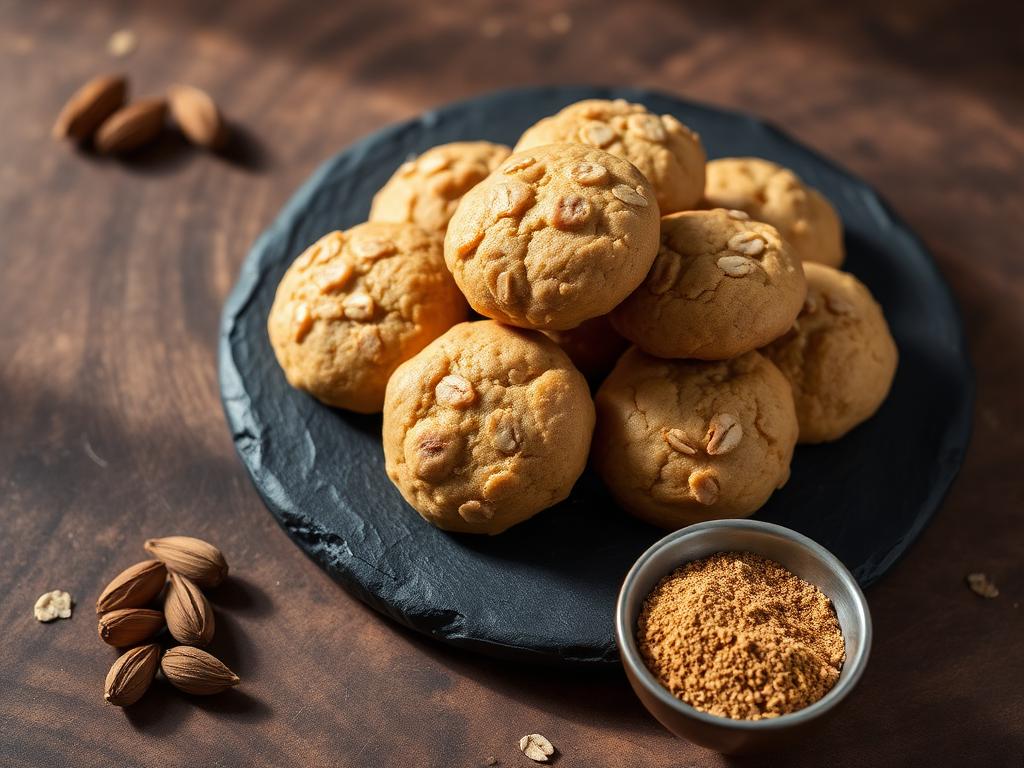
Ashwagandha & cardamom oaty soft cookies — Ayurvedic herbal recipe with ashwagandha

Ashwagandha & cardamom oaty soft cookies

Soft, grounding cookies for a frazzled nervous system — earthy ashwagandha rounded off by sweet, aromatic cardamom (Vata balancing).

20 min 10-12 cookies

Ingredients

  • 1 cup rolled oats
  • 1/2 cup almond flour
  • 2 tsp ashwagandha powder
  • 1 tsp ground cardamom
  • 1/4 tsp sea salt
  • 1/4 cup melted ghee (or coconut oil)
  • 1/4 cup pure maple syrup

Method

  1. 1Preheat the oven to 175C (350F) and line a baking sheet.
  2. 2Mix oats, almond flour, ashwagandha, cardamom and salt in a large bowl.
  3. 3Pour in the ghee and maple syrup, stirring until a soft dough forms.
  4. 4Shape into small cookies and space them on the lined sheet.
  5. 5Bake 10-12 minutes until the edges are golden; cool slightly and serve warm.

When to take: Late afternoon or early evening, 1-2 cookies

Ashwagandha is bitter on its own — the cardamom and maple are what make the dose pleasant to repeat daily.

Precautions & dosage

How much, how often

  • Makes 10-12 cookies. One serving at a time, once a day unless stated otherwise.
  • Ashwagandha root powder 3-6 g a day, in divided doses.
  • Take as a course of 4-6 weeks, then pause for a week and reassess.

Allergen notes

  • Dairy (milk, ghee, cream) — swap for oat or almond milk if lactose intolerant.
  • Tree nuts — omit entirely if there is any nut allergy.
  • Gluten-containing grains — use certified gluten-free oats or millet flour instead.
  • Coconut.
  • Added sugar (jaggery, syrup) — count it in if you are managing blood sugar.

When to avoid

  • Pregnancy and breastfeeding — skip unless your doctor clears it.
  • Thyroid medication or thyroid disorders — may alter hormone levels.
  • Autoimmune conditions or immunosuppressant therapy — check with your clinician first.
  • Sedatives, sleep or anxiety medication — the calming effect can add up.
  • Anyone on prescription medication, pregnant, breastfeeding, or under 12 — confirm with a clinician before daily use.

Read more about this recipe

Herbs in this recipe

Concerns it supports

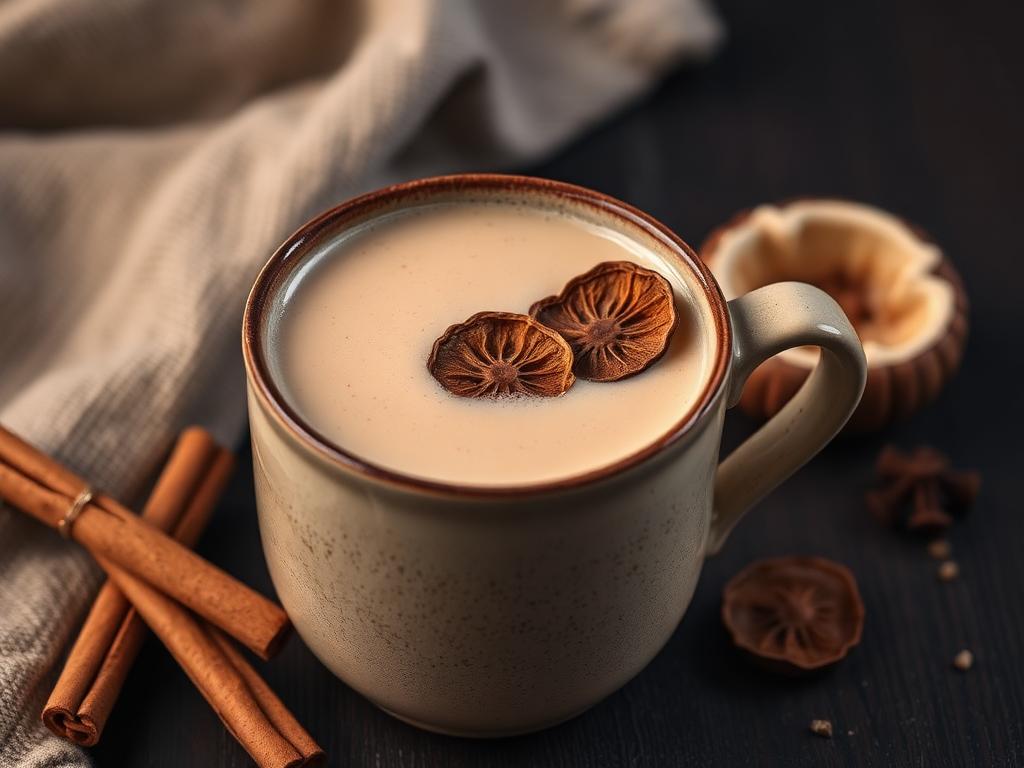
Reishi golden cacao — Ayurvedic herbal recipe with reishi, cinnamon

Reishi golden cacao

A bitter-sweet evening cacao with reishi to wind the day down without caffeine.

8 min 1 mug

Ingredients

  • 200 ml milk or oat milk
  • 1 tsp reishi mushroom powder
  • 1 tsp raw cacao powder
  • 1/2 tsp cinnamon powder
  • 1 pinch cardamom
  • 1 tsp jaggery or maple syrup (add off the heat)

Method

  1. 1Warm the milk on low heat until it steams.
  2. 2Whisk in reishi, cacao, cinnamon and cardamom.
  3. 3Simmer gently for 4 minutes, whisking so nothing settles at the bottom.
  4. 4Take off the heat, sweeten, froth once more and drink warm.

When to take: Evening, after dinner

Reishi is naturally bitter — the cinnamon and cacao are there to carry it, so do not skip them.

Precautions & dosage

How much, how often

  • Makes 1 mug. One serving at a time, once a day unless stated otherwise.
  • Reishi 1-1.5 g of powder a day (up to 3 g of extract).
  • Cinnamon 1-2 g a day; prefer true (Ceylon) cinnamon for daily use.
  • Take as a course of 4-6 weeks, then pause for a week and reassess.

Allergen notes

  • Dairy (milk, ghee, cream) — swap for oat or almond milk if lactose intolerant.
  • Gluten-containing grains — use certified gluten-free oats or millet flour instead.
  • Added sugar (jaggery, syrup) — count it in if you are managing blood sugar.

When to avoid

  • Blood thinners (warfarin, aspirin, clopidogrel) — may increase bleeding risk.
  • Stop at least 2 weeks before any planned surgery.
  • Autoimmune conditions or immunosuppressant therapy — check with your clinician first.
  • Pregnancy and breastfeeding — skip unless your doctor clears it.
  • Liver disease or liver medication.
  • Diabetes medication — can lower blood sugar further; monitor readings.
  • Anyone on prescription medication, pregnant, breastfeeding, or under 12 — confirm with a clinician before daily use.

Read more about this recipe

Herbs in this recipe

Concerns it supports

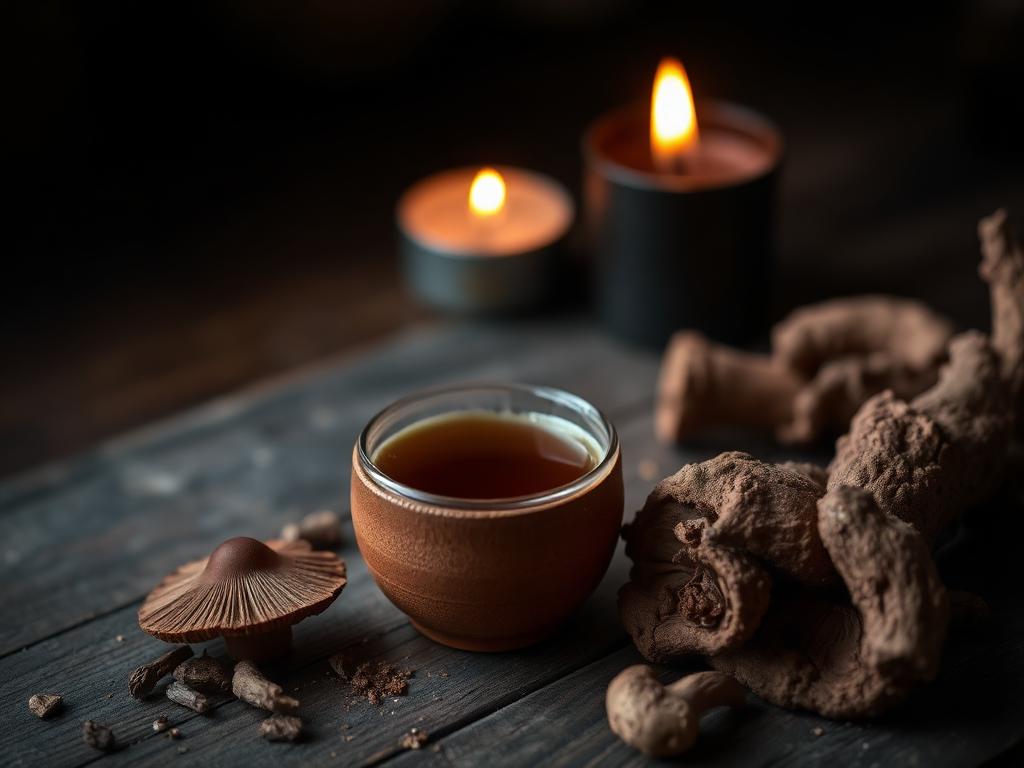
Reishi ashwagandha sleep decoction — Ayurvedic herbal recipe with reishi, ashwagandha

Reishi ashwagandha sleep decoction

A slow-simmered kadha for nights when the body is tired but the mind will not stop.

20 min 1 cup

Ingredients

  • 1 1/2 cups water
  • 1/2 tsp reishi mushroom powder (or 2 dried slices)
  • 1/2 tsp ashwagandha root powder
  • 1 tsp jaggery
  • 2 tbsp warm milk (optional)

Method

  1. 1Simmer the water with reishi and ashwagandha on low heat until it reduces to about 1 cup (12-15 minutes).
  2. 2Strain into a cup.
  3. 3Stir in jaggery, and a splash of warm milk if you want it softer.
  4. 4Drink 45 minutes before bed, then keep screens away.

When to take: Night, 45 minutes before bed

Ashwagandha builds over weeks, not nights — take it daily for 4-6 weeks to judge it fairly.

Precautions & dosage

How much, how often

  • Makes 1 cup. One serving at a time, once a day unless stated otherwise.
  • Reishi 1-1.5 g of powder a day (up to 3 g of extract).
  • Ashwagandha root powder 3-6 g a day, in divided doses.
  • Take as a course of 4-6 weeks, then pause for a week and reassess.

Allergen notes

  • Dairy (milk, ghee, cream) — swap for oat or almond milk if lactose intolerant.
  • Added sugar (jaggery, syrup) — count it in if you are managing blood sugar.

When to avoid

  • Blood thinners (warfarin, aspirin, clopidogrel) — may increase bleeding risk.
  • Stop at least 2 weeks before any planned surgery.
  • Autoimmune conditions or immunosuppressant therapy — check with your clinician first.
  • Pregnancy and breastfeeding — skip unless your doctor clears it.
  • Thyroid medication or thyroid disorders — may alter hormone levels.
  • Sedatives, sleep or anxiety medication — the calming effect can add up.
  • Anyone on prescription medication, pregnant, breastfeeding, or under 12 — confirm with a clinician before daily use.

Read more about this recipe

Herbs in this recipe

Concerns it supports

Lavender chamomile sleep infusion

A floral bedtime infusion for restless evenings when the body is tired but the mind keeps talking.

8 min 1 cup

Ingredients

  • 1 cup water
  • 1 tsp dried chamomile flowers
  • 1/4 tsp dried lavender buds (culinary grade)
  • 1 tsp dried lemon balm leaf
  • 1/2 tsp honey (add off the heat)

Method

  1. 1Bring the water just to a boil, then take it off the heat.
  2. 2Add chamomile, lavender and lemon balm; cover and steep 6 minutes.
  3. 3Strain into a warm mug and let it cool to sipping temperature.
  4. 4Stir in honey and drink 30 minutes before lying down.

When to take: Evening, 30 minutes before bed

Keep lavender to a quarter teaspoon — more turns the cup soapy and bitter.

Precautions & dosage

How much, how often

  • Makes 1 cup. One serving at a time, once a day unless stated otherwise.
  • Take as a course of 4-6 weeks, then pause for a week and reassess.

Allergen notes

  • Honey — never give to infants under 1 year, and never add it to boiling liquid.

When to avoid

  • Anyone on prescription medication, pregnant, breastfeeding, or under 12 — confirm with a clinician before daily use.

Read more about this recipe

Herbs in this recipe

Concerns it supports

Saffron cardamom calm milk

A gentle, sweet-spiced milk for low mood and end-of-day tension, lighter than a full moon milk.

10 min 1 cup

Ingredients

  • 1 cup milk or almond milk
  • 5-6 saffron strands
  • 2 crushed cardamom pods
  • 1/2 tsp shatavari powder
  • 1 tsp jaggery (optional, off the heat)

Method

  1. 1Soak the saffron in 1 tbsp warm milk for 5 minutes to draw out colour.
  2. 2Warm the remaining milk with cardamom on low heat.
  3. 3Whisk in shatavari and the soaked saffron; simmer 3 minutes without boiling.
  4. 4Take off the heat, sweeten if needed, and sip warm.

When to take: Evening

Soaking saffron first is what releases its aroma — dropping strands straight into hot milk wastes them.

Precautions & dosage

How much, how often

  • Makes 1 cup. One serving at a time, once a day unless stated otherwise.
  • Shatavari powder 3-6 g a day.
  • Take as a course of 4-6 weeks, then pause for a week and reassess.

Allergen notes

  • Dairy (milk, ghee, cream) — swap for oat or almond milk if lactose intolerant.
  • Tree nuts — omit entirely if there is any nut allergy.
  • Added sugar (jaggery, syrup) — count it in if you are managing blood sugar.

When to avoid

  • Hormone-sensitive conditions (breast, uterine, ovarian) — take medical advice first.
  • Asparagus family allergy.
  • Anyone on prescription medication, pregnant, breastfeeding, or under 12 — confirm with a clinician before daily use.

Read more about this recipe

Herbs in this recipe

Concerns it supports

Catnip fennel bedtime tea

A mild catnip and chamomile nightcap for restless evenings and a fluttery, nervous stomach.

10 min 1 cup

Ingredients

  • 1.5 tsp dried catnip leaf
  • 1 tsp dried chamomile flowers
  • 1/2 tsp fennel seeds, lightly crushed
  • 1 cup water just off the boil
  • 1 tsp honey (optional)

Method

  1. 1Crush the fennel seeds in a mortar to open them up.
  2. 2Combine catnip, chamomile and fennel in a cup and pour over the hot water.
  3. 3Cover and steep 10 minutes — catnip turns bitter if steeped much longer.
  4. 4Strain, sweeten if you like, and drink 45 minutes before bed.

When to take: Evening, 45 minutes before bed

Catnip is a uterine stimulant — avoid it in pregnancy and while breastfeeding.

Precautions & dosage

How much, how often

  • Makes 1 cup. One serving at a time, once a day unless stated otherwise.
  • Catnip leaf 1-2 tsp per cup of tea, before bed.
  • Take as a course of 4-6 weeks, then pause for a week and reassess.

Allergen notes

  • Honey — never give to infants under 1 year, and never add it to boiling liquid.

When to avoid

  • Pregnancy and breastfeeding — skip unless your doctor clears it.
  • Sedatives, sleep or anxiety medication — the calming effect can add up.
  • Anyone on prescription medication, pregnant, breastfeeding, or under 12 — confirm with a clinician before daily use.

Read more about this recipe

Herbs in this recipe

Concerns it supports

Catnip lemon balm calm cooler

A cold-brewed catnip and lemon balm cooler for tense afternoons without the drowsiness of a strong tea.

15 min 2 glasses

Ingredients

  • 1 tbsp dried catnip leaf (or 3 tbsp fresh)
  • 2 tbsp fresh lemon balm leaves
  • 500 ml cool filtered water
  • 1/2 lime, sliced
  • 1 tsp raw honey or maple syrup

Method

  1. 1Bruise the lemon balm and catnip leaves between your palms to release the oils.
  2. 2Add them to a jar with the water and lime slices, seal and refrigerate 4-8 hours.
  3. 3Strain into a jug and stir in the honey until dissolved.
  4. 4Pour over ice and drink within a day; keep to one glass in the afternoon if you drive.

When to take: Afternoon, or an hour before an evening wind-down

Cold brewing keeps the aroma soft and skips the bitterness that hot water pulls out of catnip.

Precautions & dosage

How much, how often

  • Makes 2 glasses. One serving at a time, once a day unless stated otherwise.
  • Catnip leaf 1-2 tsp per cup of tea, before bed.
  • Take as a course of 4-6 weeks, then pause for a week and reassess.

Allergen notes

  • Honey — never give to infants under 1 year, and never add it to boiling liquid.
  • Added sugar (jaggery, syrup) — count it in if you are managing blood sugar.

When to avoid

  • Pregnancy and breastfeeding — skip unless your doctor clears it.
  • Sedatives, sleep or anxiety medication — the calming effect can add up.
  • Anyone on prescription medication, pregnant, breastfeeding, or under 12 — confirm with a clinician before daily use.

Read more about this recipe

Herbs in this recipe

Concerns it supports

Common questions

How are the recipes organised?

They are grouped under 6 health concerns — Sleep & Stress, Digestion & Gut, Immunity & Recovery, Joints & Inflammation, Skin & Hair, Energy & Focus — and can also be found by searching an ingredient or herb name.

Are these Ayurvedic recipes safe for everyday cooking?

Most are food-grade preparations built from culinary herbs and spices in kitchen amounts, so they suit regular use. Each recipe still carries its own dosage, allergen and avoid-if notes, which should be read before the first attempt.

Can I substitute fresh herbs for powders?

Yes, with a rough rule of three parts fresh to one part dried by volume. Fresh material is simmered longer, while powders are stirred in at the end so their aroma is not boiled off.

What is the best time of day for these preparations?

Warming kadhas and digestive teas suit mornings and mealtimes; milk-based moon drinks and calming infusions belong to the evening, about an hour before bed.

Which recipes should be avoided in pregnancy?

Preparations using ashwagandha, shatavari in high dose, strong bitters, aloe latex, heavy heating spice blends and any essential oils should be cleared with a clinician first. The precaution panel on each recipe flags these explicitly.

Do these recipes replace medical treatment?

No. They are traditional food and drink preparations for everyday wellbeing, not treatment for a diagnosed condition, and they do not replace prescribed medication or professional advice.

These are traditional food and home-care preparations, not treatments. Start with the smallest amount, use one new recipe at a time, and check with a doctor or qualified practitioner before use in pregnancy, while breastfeeding, for children, or alongside prescription medication. Externally applied recipes are marked as such and must never be swallowed.