
Kitchen practice

Recipes with herbs & spices

Everyday preparations built on the herbs in this library — kadhas, milks, ladoos, porridges, oils and rinses. Pick a concern and follow the steps. Amounts are ordinary household amounts, not clinical doses.

Digestion & Gut recipes with herbs and spices

Digestion & Gut

Digestive strength (agni) is the centre of Ayurvedic practice. Bloating, irregularity and sluggishness are treated by kindling agni rather than suppressing symptoms.

See herbs for this concern

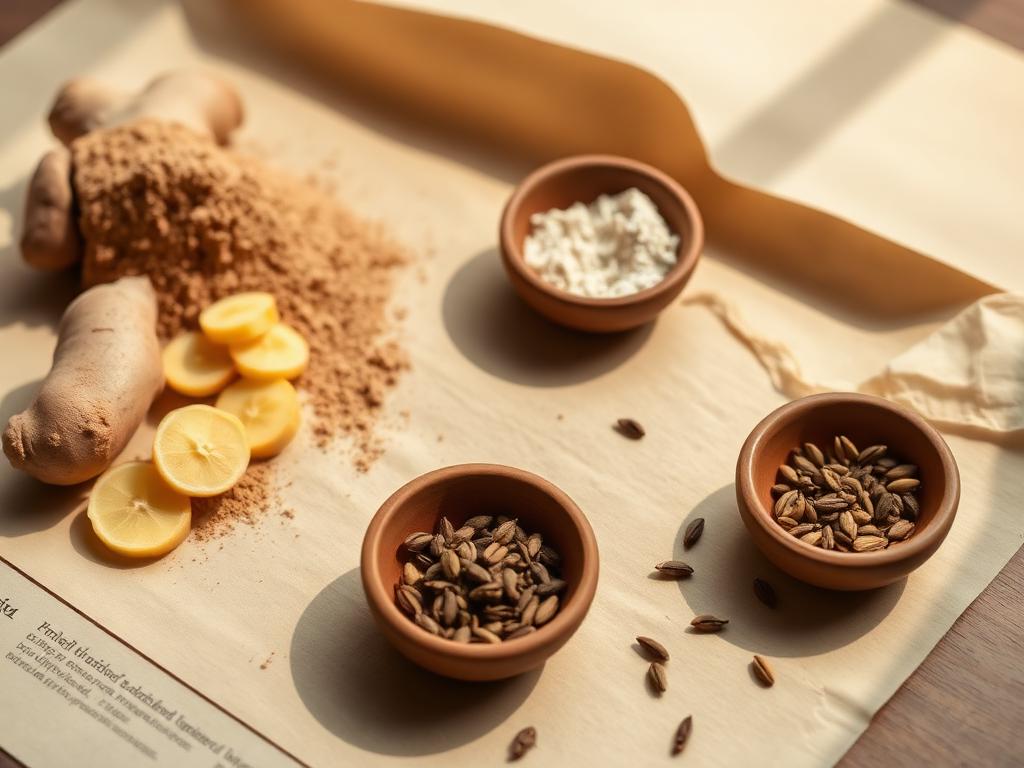
CCF tea (cumin, coriander, fennel)

The everyday Ayurvedic table tea for bloating and heaviness after meals.

10 min 2 cups

Ingredients

  • 1/2 tsp cumin seeds
  • 1/2 tsp coriander seeds
  • 1/2 tsp fennel seeds
  • 1/4 tsp fenugreek seeds
  • 2 cups water

Method

  1. 1Dry-toast the seeds in a pan for 30 seconds until fragrant.
  2. 2Add water and simmer 5 minutes.
  3. 3Strain into a flask and sip warm through the day.
  4. 4Make it fresh each morning rather than reheating.

When to take: Between meals

Sip between meals, not with them — flooding a meal with liquid dulls agni.

Precautions & dosage

How much, how often

  • Makes 2 cups. One serving at a time, once a day unless stated otherwise.
  • Fenugreek seed 2-5 g a day, soaked.
  • Fresh ginger up to 4 g a day (about a 2 cm piece).
  • Take as a course of 4-6 weeks, then pause for a week and reassess.

Allergen notes

  • No common allergens in this recipe as written.

When to avoid

  • Pregnancy and breastfeeding — skip unless your doctor clears it.
  • Diabetes medication — can lower blood sugar further; monitor readings.
  • Blood thinners (warfarin, aspirin, clopidogrel) — may increase bleeding risk.
  • Gallstones or bile duct obstruction.
  • Anyone on prescription medication, pregnant, breastfeeding, or under 12 — confirm with a clinician before daily use.

Read more about this recipe

Herbs in this recipe

Concerns it supports
Triphala night water

The classic overnight bowel-regulating drink, gentler than a stimulant laxative.

5 min 1 cup

Ingredients

  • 1/2 tsp triphala churna
  • 1 cup hot water
  • Optional: 1/2 tsp honey

Method

  1. 1Stir triphala into hot water and let it steep 10 minutes.
  2. 2Let it cool to a comfortable temperature.
  3. 3Drink the whole cup, sediment included, an hour after dinner.
  4. 4Start at 1/2 tsp and adjust after a week.

When to take: One hour after dinner

Triphala works cumulatively — judge it after two weeks, not two days.

Precautions & dosage

How much, how often

  • Makes 1 cup. One serving at a time, once a day unless stated otherwise.
  • Triphala 3-5 g at night with warm water.
  • Take as a course of 4-6 weeks, then pause for a week and reassess.

Allergen notes

  • Honey — never give to infants under 1 year, and never add it to boiling liquid.

When to avoid

  • Pregnancy and breastfeeding — skip unless your doctor clears it.
  • Loose stools, IBS flare-ups or dehydration — this preparation is mildly laxative.
  • Anyone on prescription medication, pregnant, breastfeeding, or under 12 — confirm with a clinician before daily use.

Read more about this recipe

Herbs in this recipe

Concerns it supports

Pre-meal ginger appetiser

A half-teaspoon ritual before lunch that wakes up digestive fire.

5 min 1 small portion

Ingredients

  • 1 tsp fresh grated ginger
  • 1/2 tsp lemon juice
  • 1 pinch rock salt

Method

  1. 1Mix ginger, lemon juice and salt in a small bowl.
  2. 2Take half a teaspoon 10 minutes before lunch.
  3. 3Chew slowly; follow with a few sips of warm water.
  4. 4Make enough for one or two days only and refrigerate.

When to take: 10 minutes before lunch

Skip on an inflamed or ulcer-prone stomach; ginger is heating.

Precautions & dosage

How much, how often

  • Makes 1 small portion. One serving at a time, once a day unless stated otherwise.
  • Fresh ginger up to 4 g a day (about a 2 cm piece).
  • Take as a course of 4-6 weeks, then pause for a week and reassess.

Allergen notes

  • No common allergens in this recipe as written.

When to avoid

  • Blood thinners (warfarin, aspirin, clopidogrel) — may increase bleeding risk.
  • Gallstones or bile duct obstruction.
  • Anyone on prescription medication, pregnant, breastfeeding, or under 12 — confirm with a clinician before daily use.

Read more about this recipe

Herbs in this recipe

Concerns it supports

Jamun and guava leaf tonic

An astringent leaf brew traditionally used for loose motions and sugar balance.

15 min 1 cup

Ingredients

  • 4 tender guava leaves
  • 5 jamun leaves (or 1 tsp jamun seed powder)
  • 1.5 cups water
  • 1 pinch rock salt

Method

  1. 1Rinse the leaves and add to cold water.
  2. 2Simmer 10 minutes until the water reduces by a third.
  3. 3Strain, add rock salt and drink warm.
  4. 4Take once a day, not alongside diabetes medication without advice.

When to take: Mid-morning

Both leaves are strongly astringent — stop if the mouth feels excessively dry.

Precautions & dosage

How much, how often

  • Makes 1 cup. One serving at a time, once a day unless stated otherwise.
  • Jamun seed powder 1-3 g a day.
  • Guava leaf 1-2 cups of infusion a day.
  • Take as a course of 4-6 weeks, then pause for a week and reassess.

Allergen notes

  • No common allergens in this recipe as written.

When to avoid

  • Diabetes medication — can lower blood sugar further; monitor readings.
  • Stop at least 2 weeks before any planned surgery.
  • Pregnancy and breastfeeding — skip unless your doctor clears it.
  • Anyone on prescription medication, pregnant, breastfeeding, or under 12 — confirm with a clinician before daily use.

Read more about this recipe

Herbs in this recipe

Concerns it supports

Spiced takra (Ayurvedic buttermilk)

Thin spiced buttermilk after lunch — the classic Ayurvedic gut drink.

5 min 1 glass

Ingredients

  • 1/4 cup fresh curd
  • 3/4 cup water
  • 1/4 tsp roasted cumin powder
  • 1 pinch ginger powder
  • Rock salt and fresh coriander

Method

  1. 1Whisk curd and water until thin and frothy; remove any butter that rises.
  2. 2Stir in cumin, ginger powder and rock salt.
  3. 3Top with chopped coriander and drink at room temperature.
  4. 4Take right after lunch, never at night.

When to take: Straight after lunch

Takra must be thin — thick curd at night does the opposite of this recipe.

Precautions & dosage

How much, how often

  • Makes 1 glass. One serving at a time, once a day unless stated otherwise.
  • Fresh ginger up to 4 g a day (about a 2 cm piece).
  • Take as a course of 4-6 weeks, then pause for a week and reassess.

Allergen notes

  • Dairy (milk, ghee, cream) — swap for oat or almond milk if lactose intolerant.

When to avoid

  • Blood thinners (warfarin, aspirin, clopidogrel) — may increase bleeding risk.
  • Gallstones or bile duct obstruction.
  • Anyone on prescription medication, pregnant, breastfeeding, or under 12 — confirm with a clinician before daily use.

Read more about this recipe

Herbs in this recipe

Concerns it supports

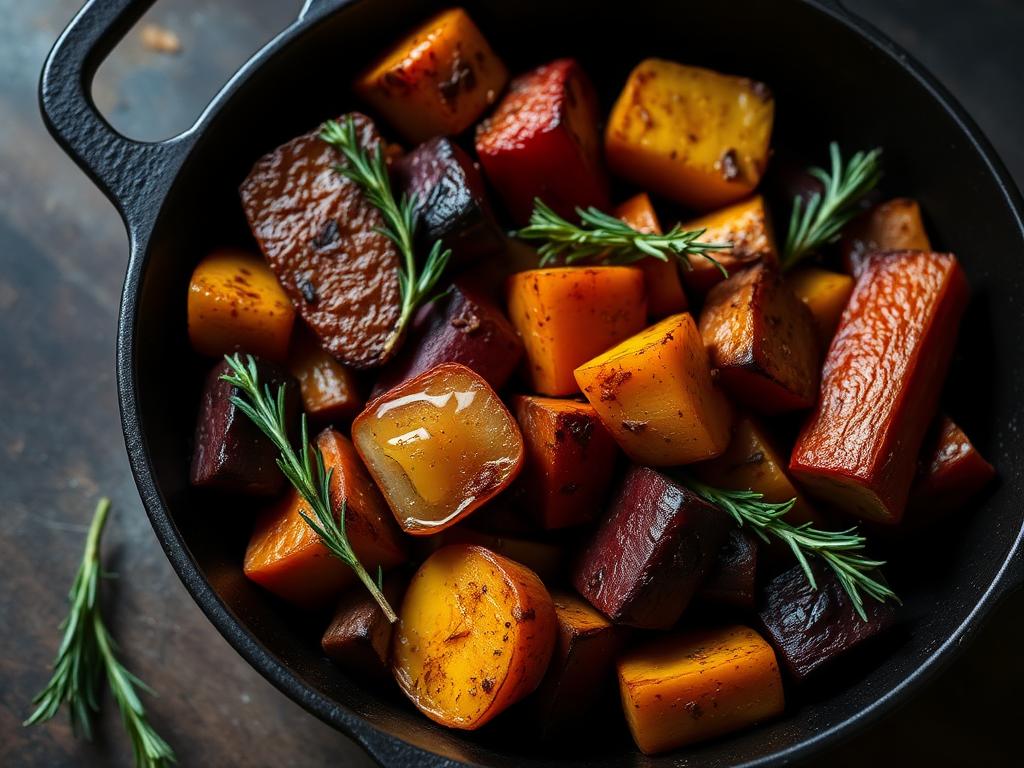
Rosemary ghee roast vegetables — Ayurvedic herbal recipe with rosemary

Rosemary ghee roast vegetables

A warming, vata-pacifying lunch side that keeps heavy root vegetables easy to digest.

35 min 2 people

Ingredients

  • 400 g mixed root vegetables (carrot, beetroot, sweet potato), cubed
  • 1 tbsp ghee, melted
  • 1 tsp chopped fresh rosemary
  • 1/4 tsp rock salt
  • 1/4 tsp freshly cracked black pepper
  • Squeeze of lemon to finish

Method

  1. 1Heat the oven to 200 C.
  2. 2Toss the cubed vegetables with ghee, rosemary, rock salt and pepper until evenly coated.
  3. 3Spread on a tray in a single layer and roast 25 minutes, turning once.
  4. 4Finish with lemon and eat warm as a midday side.

When to take: Midday meal

Ghee plus warming spice is the classical way to make dense root vegetables sit lightly.

Precautions & dosage

How much, how often

  • Makes 2 people. One serving at a time, once a day unless stated otherwise.
  • Rosemary in culinary amounts, or 1 tsp of leaf per cup of infusion.
  • Take as a course of 4-6 weeks, then pause for a week and reassess.

Allergen notes

  • Dairy (milk, ghee, cream) — swap for oat or almond milk if lactose intolerant.

When to avoid

  • Pregnancy and breastfeeding — skip unless your doctor clears it.
  • Blood thinners (warfarin, aspirin, clopidogrel) — may increase bleeding risk.
  • Epilepsy or seizure disorders — avoid concentrated amounts.
  • Anyone on prescription medication, pregnant, breastfeeding, or under 12 — confirm with a clinician before daily use.

Read more about this recipe

Herbs in this recipe

Concerns it supports

Fennel cardamom after-meal water

The classic post-meal digestive water for bloating, gas and that heavy feeling after a late dinner.

7 min 2 cups

Ingredients

  • 2 cups water
  • 1 tsp fennel seeds
  • 1/4 tsp carom (ajwain) seeds
  • 2 crushed cardamom pods
  • 1 pinch rock salt

Method

  1. 1Dry-toast the fennel and carom seeds in a pan for 30 seconds until fragrant.
  2. 2Add the water and cardamom and simmer 4 minutes.
  3. 3Strain into a flask and add a pinch of rock salt.
  4. 4Sip warm, half a cup at a time, starting 20 minutes after eating.

When to take: 20 minutes after lunch or dinner

Sip it warm and slowly — gulping cold water after a meal is what dulls digestion in the first place.

Precautions & dosage

How much, how often

  • Makes 2 cups. One serving at a time, once a day unless stated otherwise.
  • Take as a course of 4-6 weeks, then pause for a week and reassess.

Allergen notes

  • No common allergens in this recipe as written.

When to avoid

  • Anyone on prescription medication, pregnant, breastfeeding, or under 12 — confirm with a clinician before daily use.

Read more about this recipe

Herbs in this recipe

Concerns it supports

Mint ginger digestive chutney

A fresh green side that wakes up appetite and eases sluggish digestion without any supplement.

10 min 6 servings

Ingredients

  • 1 packed cup fresh mint leaves
  • 1/2 cup coriander leaves
  • 1 inch fresh ginger, peeled
  • 1/4 tsp freshly ground black pepper
  • 1 tbsp lemon juice
  • Rock salt to taste
  • 2 tbsp water

Method

  1. 1Rinse the mint and coriander well and shake off excess water.
  2. 2Blend everything with just 2 tbsp water into a thick, spoonable chutney.
  3. 3Taste and adjust salt and lemon; it should be sharp, not bland.
  4. 4Serve 1 tsp alongside the main meal, and refrigerate for up to 3 days.

When to take: With lunch

Make it fresh in small batches — mint loses both colour and its digestive punch after a few days.

Precautions & dosage

How much, how often

  • Makes 6 servings. One serving at a time, once a day unless stated otherwise.
  • Fresh ginger up to 4 g a day (about a 2 cm piece).
  • Take as a course of 4-6 weeks, then pause for a week and reassess.

Allergen notes

  • No common allergens in this recipe as written.

When to avoid

  • Blood thinners (warfarin, aspirin, clopidogrel) — may increase bleeding risk.
  • Gallstones or bile duct obstruction.
  • Anyone on prescription medication, pregnant, breastfeeding, or under 12 — confirm with a clinician before daily use.

Read more about this recipe

Herbs in this recipe

Concerns it supports

Common questions

How are the recipes organised?

They are grouped under 6 health concerns — Sleep & Stress, Digestion & Gut, Immunity & Recovery, Joints & Inflammation, Skin & Hair, Energy & Focus — and can also be found by searching an ingredient or herb name.

Are these Ayurvedic recipes safe for everyday cooking?

Most are food-grade preparations built from culinary herbs and spices in kitchen amounts, so they suit regular use. Each recipe still carries its own dosage, allergen and avoid-if notes, which should be read before the first attempt.

Can I substitute fresh herbs for powders?

Yes, with a rough rule of three parts fresh to one part dried by volume. Fresh material is simmered longer, while powders are stirred in at the end so their aroma is not boiled off.

What is the best time of day for these preparations?

Warming kadhas and digestive teas suit mornings and mealtimes; milk-based moon drinks and calming infusions belong to the evening, about an hour before bed.

Which recipes should be avoided in pregnancy?

Preparations using ashwagandha, shatavari in high dose, strong bitters, aloe latex, heavy heating spice blends and any essential oils should be cleared with a clinician first. The precaution panel on each recipe flags these explicitly.

Do these recipes replace medical treatment?

No. They are traditional food and drink preparations for everyday wellbeing, not treatment for a diagnosed condition, and they do not replace prescribed medication or professional advice.

These are traditional food and home-care preparations, not treatments. Start with the smallest amount, use one new recipe at a time, and check with a doctor or qualified practitioner before use in pregnancy, while breastfeeding, for children, or alongside prescription medication. Externally applied recipes are marked as such and must never be swallowed.